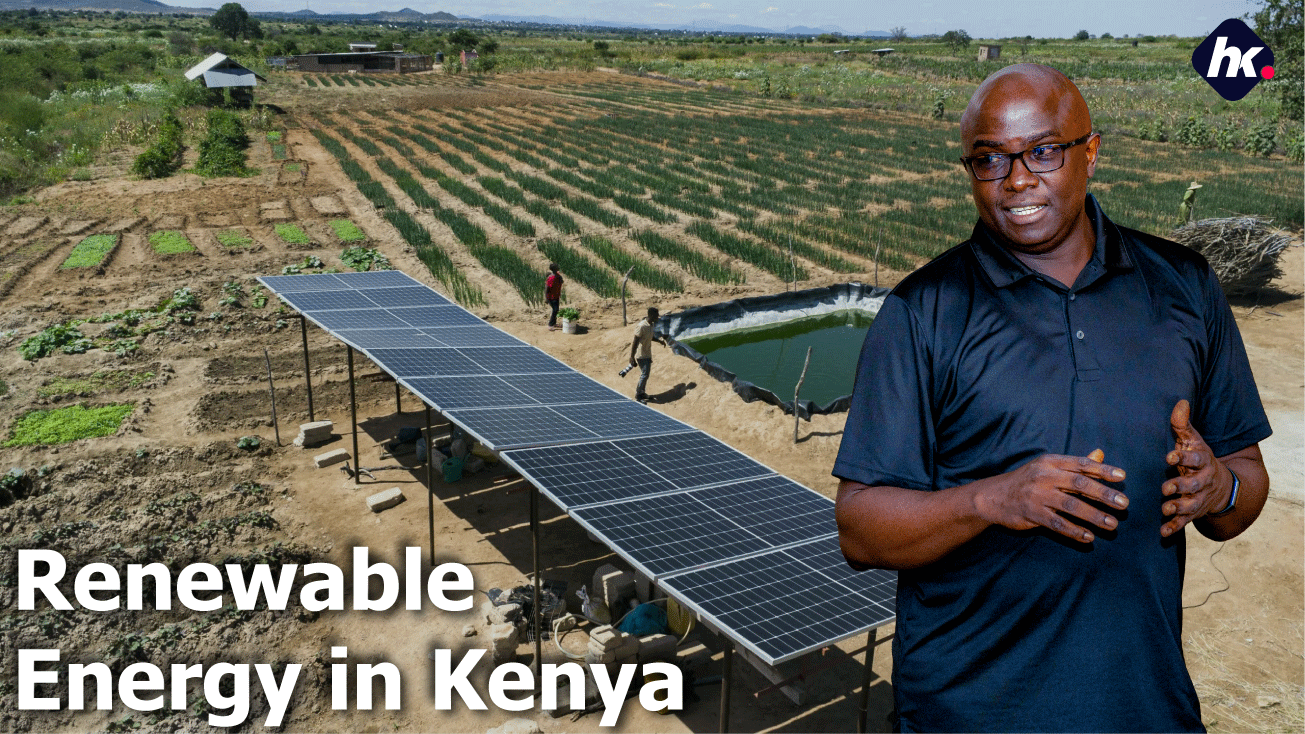
Renewable Energy in Kenya
Kenya is becoming a leader in renewable energy across Africa. From solar farms in Turkana to wind power in Marsabit and geothermal stations in Naivasha, the nation is embracing clean energy solutions to reduce dependence on fossil fuels and create a sustainable future. But beyond sustainability, renewable energy is opening up opportunities for youth, farmers, entrepreneurs, and communities across the country.
Why Renewable Energy in Kenya Matters
Renewable Energy in Kenya
Affordable Access to Power: Millions of households still rely on kerosene and firewood. Renewable energy provides cheaper, cleaner, and more reliable alternatives.
- Job Creation: Solar installation, maintenance, and wind turbine operations are providing thousands of new jobs for Kenyan youth.
- Climate Change Action: Kenya’s vulnerability to droughts and floods highlights the importance of renewable energy in enhancing climate resilience.
- Innovation Hub: With global investments coming into Kenya’s clean energy sector, local innovators have a platform to design solutions that can be exported across Africa.
Opportunities for Youth
Solar Technicians: With the increasing adoption of solar systems in homes, schools, and businesses, trained technicians are in high demand.
Green Entrepreneurship: From solar-powered water pumps to energy-efficient stoves, youth entrepreneurs can tap into a growing market.
Digital Jobs in Energy: Smart grids, energy monitoring apps, and data analytics are linking ICT and energy, creating new hybrid jobs.
Training & Education: TVET institutions and universities are introducing renewable energy courses that equip students with practical, market-ready skills.
How Communities Benefit
Agriculture: Farmers using solar-powered irrigation save money, grow more crops, and boost food security.
Education: Rural schools with solar lighting extend study hours and improve student performance.
Schools & Health Facilities: Access to affordable energy keeps lights on in classrooms and powers critical equipment in rural clinics.
Business Growth: Shops, salons, and cybercafés in rural towns can now run reliably with renewable energy.
The Way Forward
Despite the progress, renewable energy in Kenya still faces challenges:
- To maximise the potential of renewable energy, Kenya must invest in:
- Affordable training programs for youth.
- Financing models that help farmers and SMEs adopt solar and wind power.
- Public-private partnerships that expand access in rural and marginalised areas.
To overcome these barriers, Kenya should expand affordable credit programs, strengthen public-private partnerships, and increase awareness campaigns on renewable energy adoption.
Conclusion
Renewable energy in Kenya is more than just electricity. It is a pathway to job creation, youth empowerment, and sustainable community development. For farmers, it is water for their crops. For students, it is light in their classrooms. For health workers, it is reliable power for saving lives. And for the nation, it is resilience against climate change and a brighter, greener future.
The shift to renewable energy in Kenya is not optional; it is essential. The youth, businesses, and communities who embrace it today will be the true beneficiaries of tomorrow.
Kenya renewable energy, solar jobs Kenya, green opportunities, youth empowerment, sustainable farming, climate action Kenya, community development
Take time to understand the great purpose HERE.
- Innovation in Kenya
- Humphrey Kasembeli Muchuma technology
- Tuinuane digital growth
- Silicon Savannah Kenya
- Online jobs in Kenya
- Kenyan startups
- Youth empowerment Kenya
- AgriTech in Kenya
- Healthcare innovation in Kenya
- Future of technology in Kenya
- Focus on solar adoption, affordability, and impact in rural areas.
- Explore Kenya’s massive wind farms and geothermal resources.
- Directly dive into employment and skills training opportunities.
- Solar irrigation, cold storage, and agrotech powered by clean energy.
- Highlight entrepreneurs, apps, and community-driven energy solutions.
- Link renewable energy with Kenya’s drought, floods, and adaptation strategies.
- Explore SACCOs, microfinance, and government programs for energy access.
- Show how health, education, and small businesses thrive with reliable power.
- Smart grids, mobile apps for pay-as-you-go solar, and energy monitoring.
- Discuss government strategies, PPPs, and Vision 2030 energy goals.